




Photo uploads only possible from web browser!
Anna Lee
RECENT ACTIVITIES

 Share on X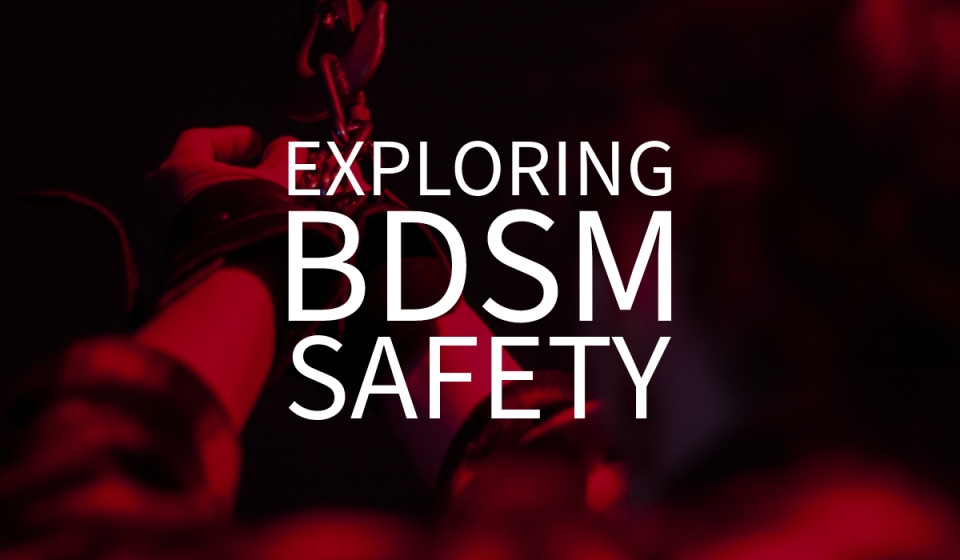
Full Article: Read Here
This article provides an introduction to BDSM safety and risk management, emphasizing the importance of communication, consent, and the use of...
This article provides an introduction to BDSM safety and risk management, emphasizing the importance of communication, consent, and the use of...
Full Article: Read Here
This article provides an introduction to BDSM safety and risk management, emphasizing the importance of communication, consent, and the use of safe words to create a secure and enjoyable experience.
BDSM, which stands for bondage, discipline, dominance, submission, sadism, and masochism, is a consensual ual practice that involves various forms of power exchange and erotic activities. It is crucial to understand that safety protocols and risk management strategies are essential components of ensuring a secure and enjoyable BDSM experience for all participants, regardless of their background or experience level. By emphasizing the importance of safety in BDSM practices, individuals can create a space where exploration, trust, and mutual respect thrive.
Consider a scenario where a couple embarks on a bondage session, with clear communication and established safe words. During the scene, the dominant partner notices subtle non-verbal cues of discomfort from the submissive partner and promptly halts the activity, showcasing a keen awareness of the importance of non-verbal communication in ensuring safety and consent. This example highlights how proactive risk management strategies can enhance the overall experience and foster a sense of trust and respect between partners.
Understanding the nuances of BDSM safety practices is crucial for navigating the complexities inherent in power dynamics and intense physical sensations. By delving into the ethical frameworks that govern BDSM activities, individuals can gain insights into the guiding principles that uphold safety and well-being within the community. Concepts such as SSC (safe, sane, and consensual), RACK (risk-aware consensual kink), PRICK (personal responsibility, informed, consensual kink), and CCCC (caring, communication, consent, and caution) serve as pillars in establishing boundaries, promoting communication, and prioritizing consent. These frameworks underscore the importance of creating a safe and consensual environment where individuals can explore their desires and boundaries with confidence.
Read more
This article provides an introduction to BDSM safety and risk management, emphasizing the importance of communication, consent, and the use of safe words to create a secure and enjoyable experience.
BDSM, which stands for bondage, discipline, dominance, submission, sadism, and masochism, is a consensual ual practice that involves various forms of power exchange and erotic activities. It is crucial to understand that safety protocols and risk management strategies are essential components of ensuring a secure and enjoyable BDSM experience for all participants, regardless of their background or experience level. By emphasizing the importance of safety in BDSM practices, individuals can create a space where exploration, trust, and mutual respect thrive.
Consider a scenario where a couple embarks on a bondage session, with clear communication and established safe words. During the scene, the dominant partner notices subtle non-verbal cues of discomfort from the submissive partner and promptly halts the activity, showcasing a keen awareness of the importance of non-verbal communication in ensuring safety and consent. This example highlights how proactive risk management strategies can enhance the overall experience and foster a sense of trust and respect between partners.
Understanding the nuances of BDSM safety practices is crucial for navigating the complexities inherent in power dynamics and intense physical sensations. By delving into the ethical frameworks that govern BDSM activities, individuals can gain insights into the guiding principles that uphold safety and well-being within the community. Concepts such as SSC (safe, sane, and consensual), RACK (risk-aware consensual kink), PRICK (personal responsibility, informed, consensual kink), and CCCC (caring, communication, consent, and caution) serve as pillars in establishing boundaries, promoting communication, and prioritizing consent. These frameworks underscore the importance of creating a safe and consensual environment where individuals can explore their desires and boundaries with confidence.
1+ min read
loading.....


